Estate security
Support guards and response teams with live aerial visibility over incidents and perimeters.
 Contact Operations
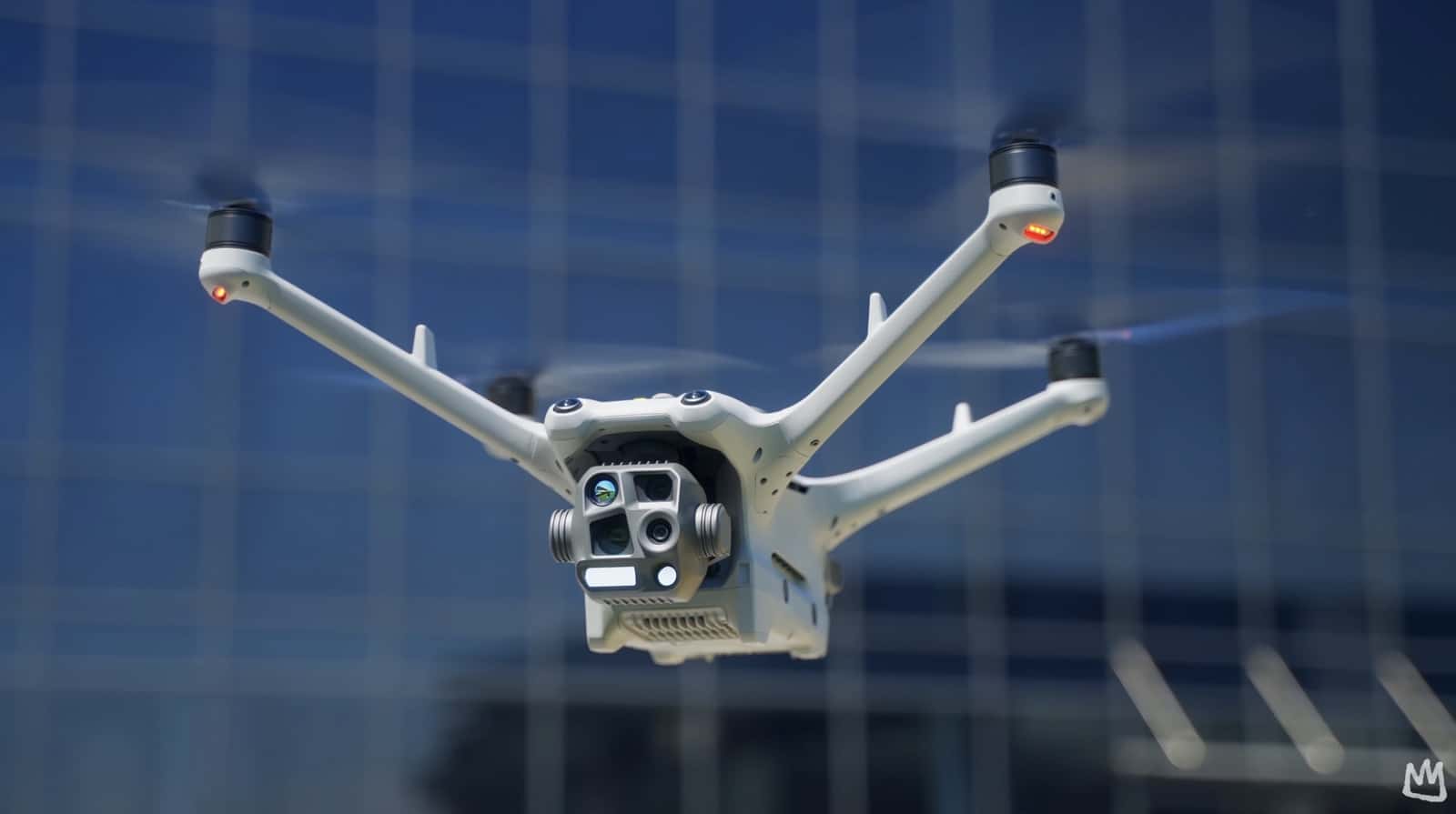
A permanently docked drone in your coverage area, dispatched on request, streaming live aerial video to your control room while your ground team is still on the way.
SkyGrid places docked drones in useful coverage areas and connects them to Parallax Aero's operations workflow.
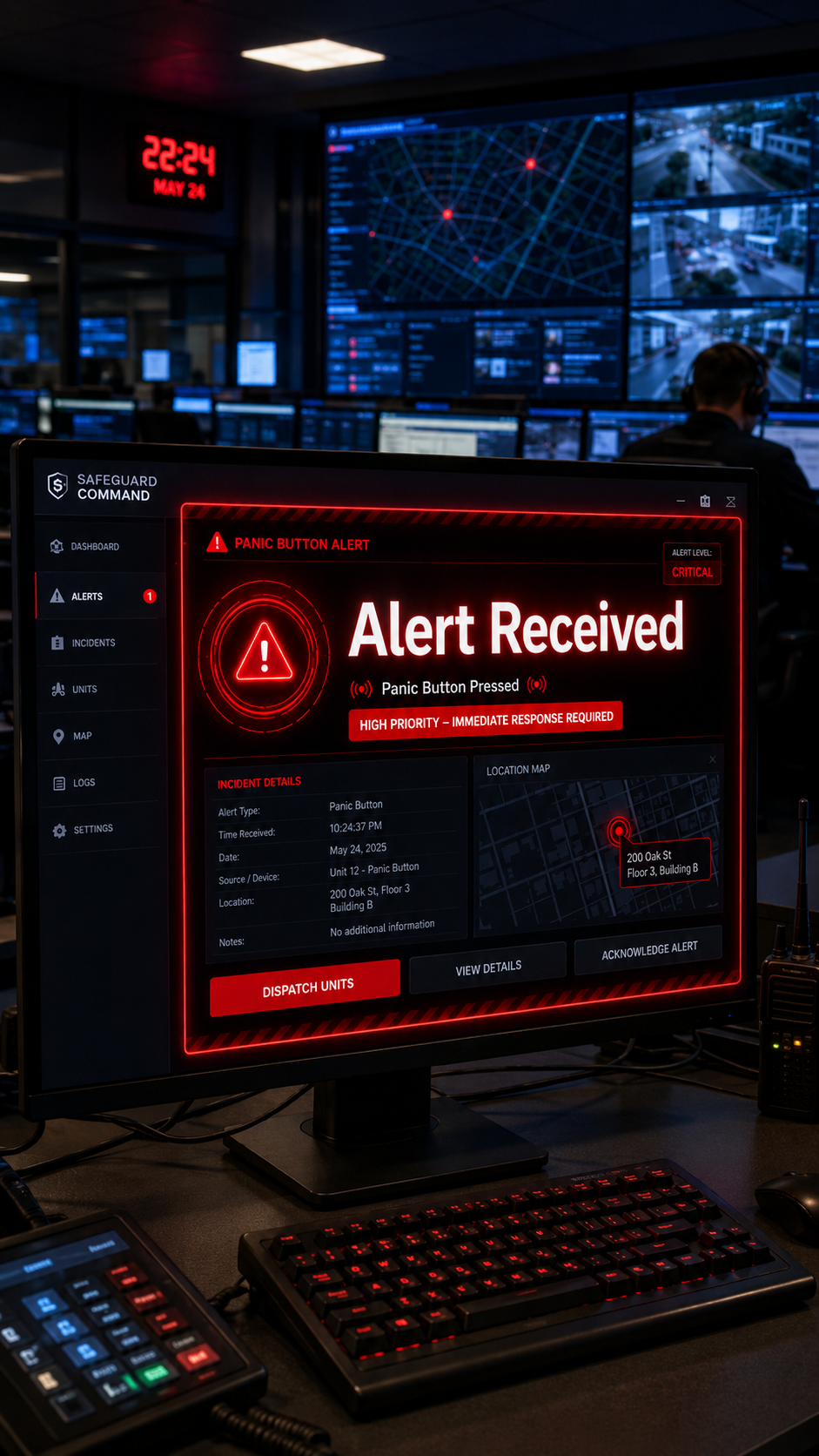
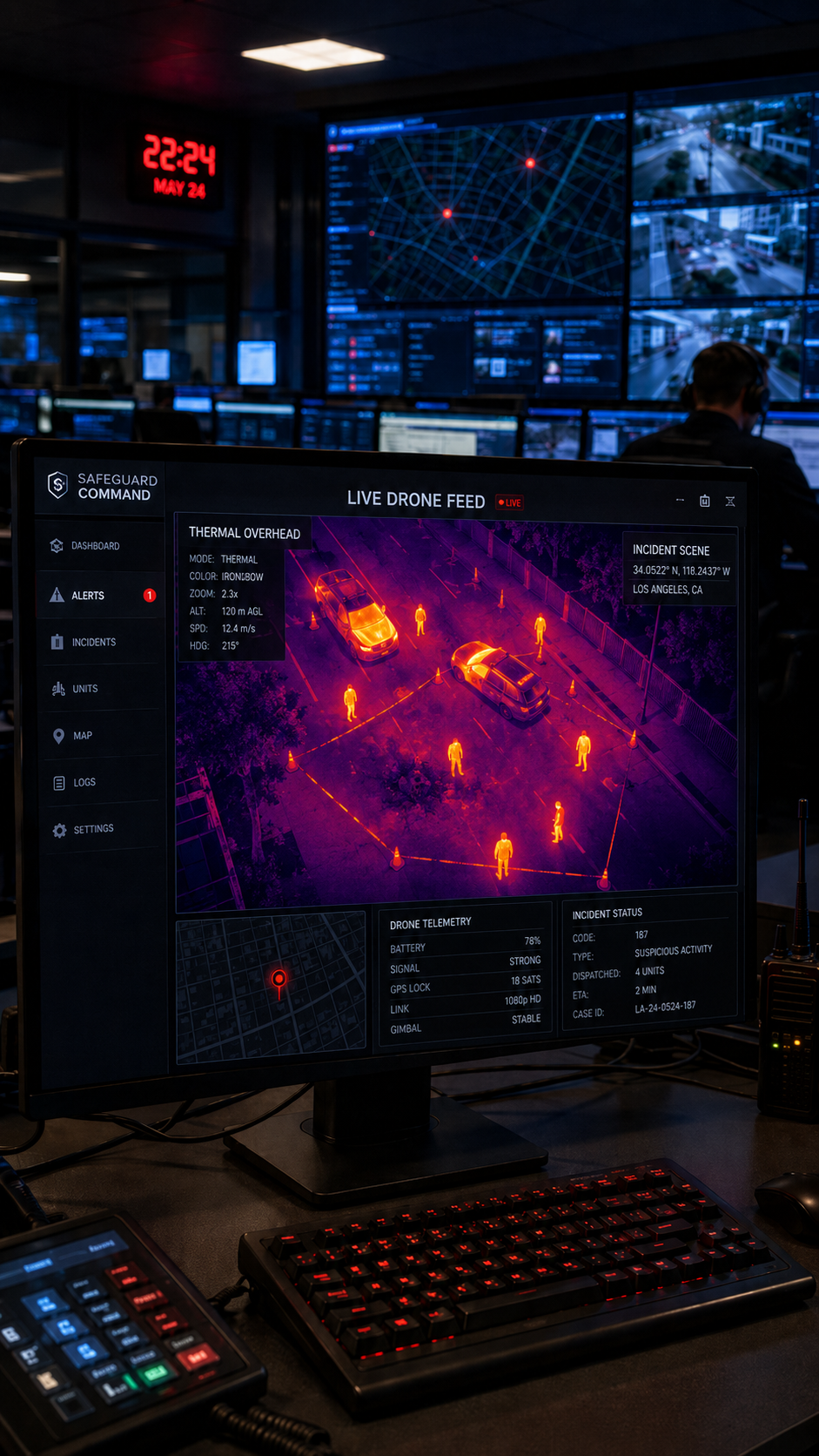
When support is requested, the drone can be sent to the site and the live feed can support your control room or response team.
Shared coverage model. Security clients in the same area can access the system without each business buying and managing its own drone setup.
Nodes are placed where subscriber demand justifies them. The more operations in an area that want coverage, the sooner a node goes in.
Mossel Bay's first permanent aerial response network is being established now, for security companies, estates and site operations in the greater Mossel Bay area. First-node capacity is limited — early subscribers secure their position.
Further Garden Route and Western Cape nodes follow as subscriber clusters form. Early enquiries shape the rollout order.
Deployments beyond the Western Cape follow demand. Tell us your area — enquiries are how we decide where the next node goes.
SkyGrid supports security teams, estates and control rooms with practical aerial visibility.
Municipal and public-safety work is supported only where the right approvals, partners and workflows are in place.
Support guards and response teams with live aerial visibility over incidents and perimeters.
Add aerial coverage to existing control-room and response workflows.
Check open land, boundaries and blind spots without sending guards in blind.
See what is happening before response teams arrive or enter the area.
Support large estates, industrial sites and remote areas with a wider view.
Aerial context for approved public-safety or infrastructure work.
Request comes in. Operator checks the site. Drone is sent. Feed goes to your control room.
A security team, estate or control room requests aerial support.
An operator checks the site and sends the drone to the location.
The live feed supports the relevant security or response team.
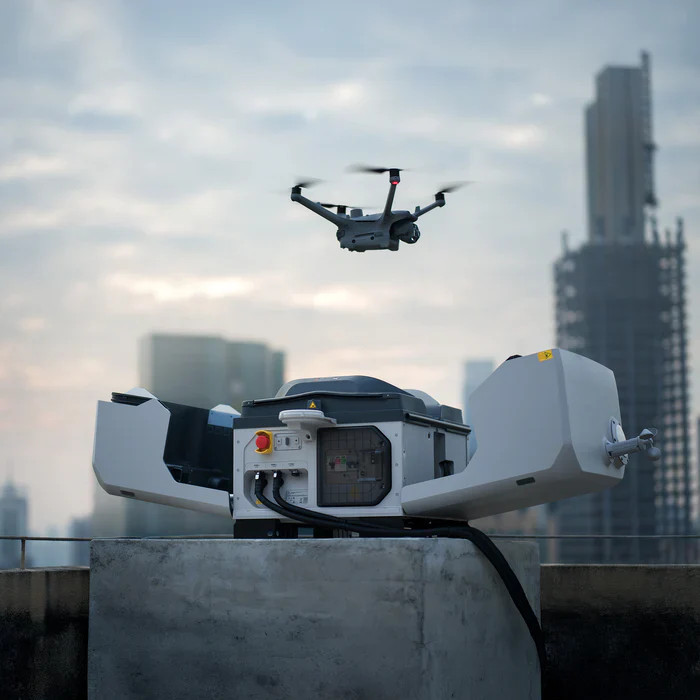
SkyGrid has three parts: a drone, a dock and an operations team. The client gets the result: aerial context when it matters.
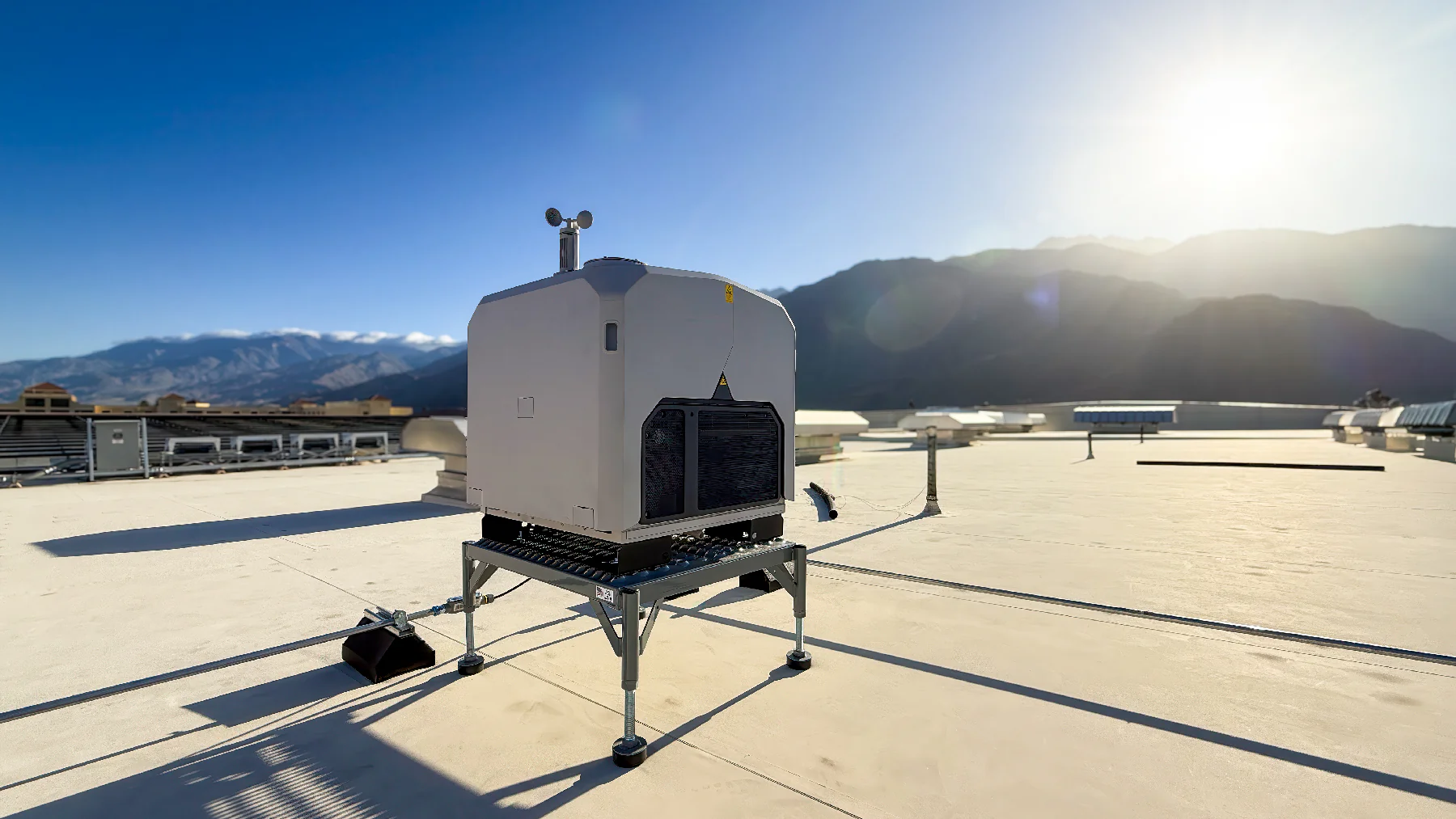
Keeps the drone protected, charged and ready from a fixed coverage point.
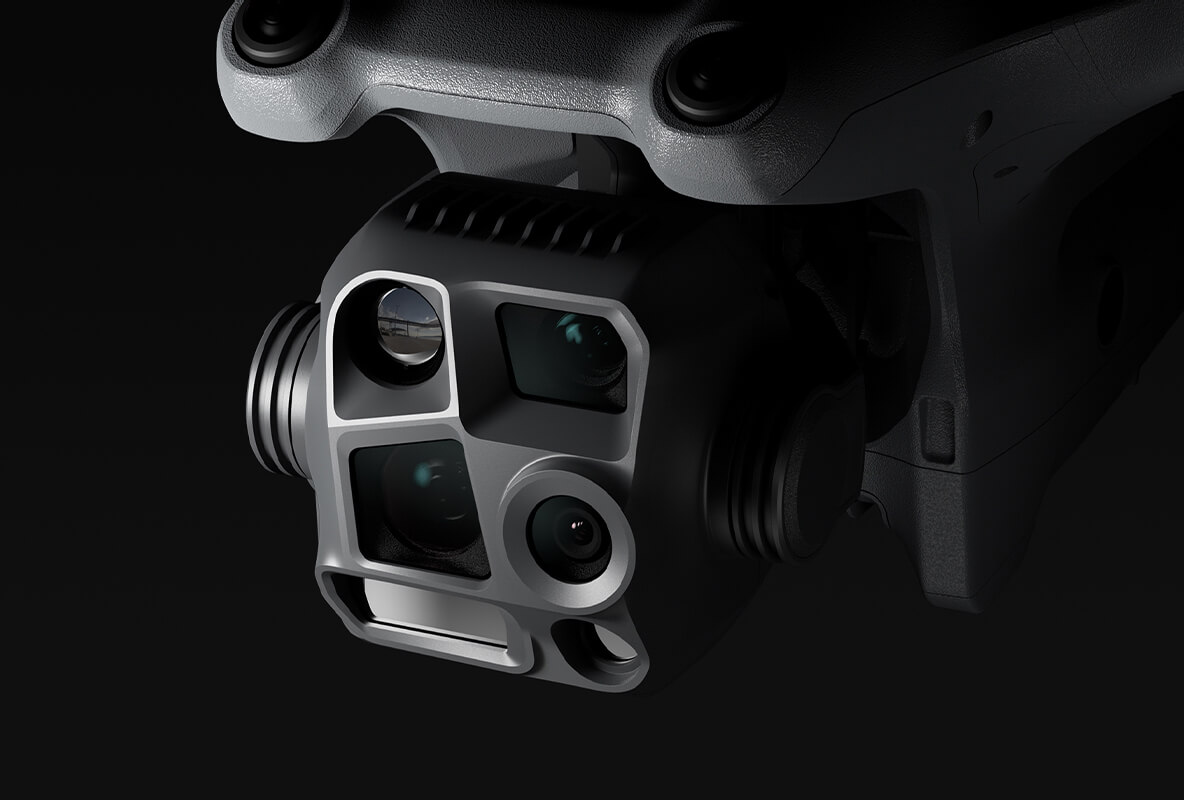
Provides the aerial view, including visual and thermal support where useful.
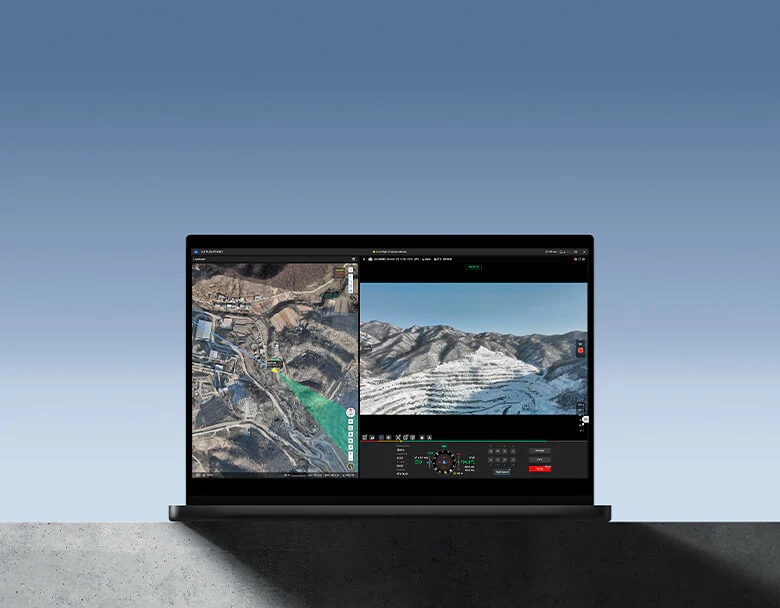
Manages the tasking, live feed and client workflow.
The questions people ask about drone security in South Africa — answered straight.
Drone security uses aerial drones to give security teams live visibility over an incident, perimeter or site. When an alarm is triggered, a drone is dispatched and streams live video to the control room, so responders know what they are walking into before they arrive. Two models are in common use: pilot-deployed drones, which are driven to site and launched manually, and docked drones — often called drone-in-a-box — which live permanently in a weatherproof station inside the coverage area and launch within seconds of a request. The docked model removes travel and setup time, which is usually the difference between footage that shapes a response and footage that documents an aftermath.
A drone-in-a-box is an uncrewed aircraft that lives in a weatherproof docking station where it charges, shelters and waits for tasking. It can launch without anyone on site, fly a programmed or operator-directed mission, stream live video, and return to the dock to recharge automatically. Because the aircraft is already positioned inside the coverage area, response time is measured in seconds rather than the tens of minutes a mobile crew needs to reach a site and set up. Docks are commonly shared across several subscribers in one area, which spreads the cost of the aircraft, licensing, maintenance and compliance across multiple sites rather than loading all of it onto one.
No. A drone cannot make an arrest, open a gate, detain anyone or intervene physically. What it changes is the quality of information available to the people who can. A drone verifies whether an alarm is genuine before a vehicle is dispatched, covers perimeters and open ground that would take a guard far longer to patrol, follows movement across terrain a vehicle cannot reach, and keeps responders out of an unknown situation until it is understood. The measurable effect is fewer wasted call-outs and better-informed ground teams — not fewer people.
Running an independent setup — aircraft, docking station, licensed remote pilots, operating certification, maintenance and insurance — runs into hundreds of thousands of rand a year, which few single estates or businesses can justify against a security budget. Shared or subscription models split one docked system between several subscribers in the same coverage area, bringing the cost per site down to a fraction of ownership. Pricing generally turns on the size of the area covered, the risk profile of the site, the hours of availability required, and whether thermal or night operations are included. Most operators quote after a coverage assessment rather than from a price list, because coverage geometry varies so much between sites.
Commercial drone operations in South Africa are regulated by the South African Civil Aviation Authority (SACAA) under Part 101 of the Civil Aviation Regulations. Any drone flown for commercial gain must operate under an Unmanned Aircraft Systems Operating Certificate (UASOC) and an Air Services Licence (ASL), with registered aircraft and licensed remote pilots. Separate approvals are required for specific operations: night flying, beyond visual line of sight (BVLOS), operations in proximity to people or structures, and flights over National Key Points. Flying commercially without these is an offence, and footage gathered outside an approved operation may carry little evidential weight and expose the client to liability. Before appointing any operator, ask for their ASL number and confirm which approvals cover the work you need.
Yes, and night is when aerial security earns its keep — but it depends on two things. The aircraft needs a thermal (infrared) sensor, because visible-light cameras and spotlights are close to useless across open ground in darkness. Thermal imaging detects body heat through light bush and in complete darkness, which is how intruders are located on terrain a torch cannot cover. Separately, the operator needs a SACAA Night Operations approval; a standard operating certificate does not authorise flight after last light, and many operators do not hold one. Ask any provider to confirm both the sensor and the approval before relying on night coverage.
If you operate in the greater Mossel Bay area, call Carel directly on 082 335 4864 to secure a position on the first node. Anywhere else — book a coverage assessment and help decide where the next node goes. We respond within one business day.